
A baby is born under a full moon roughly once every 29.5 days, and somewhere in Japan, a parent is choosing a name to match it.
That’s not a coincidence. The moon has shaped Japanese naming culture for over a thousand years, and in 2026, those names are showing up in nurseries across the United States too. If you’re searching for Japanese names that mean moon, you’re not just picking a pretty word. You’re picking a piece of history that still feels alive today.
This list covers more ground than most others you’ll find online. You’ll get the trending picks, the classic kanji breakdowns, the poetic lunar imagery, and a massive expanded collection of 420+ names so you never run out of options.
Top 5 Trending Picks in 2026
These five names are pulling ahead of the pack right now, both in Japan and among American parents drawn to Japanese moon names.
- Tsukiko (月子) – “Moon child.” Soft, gentle, and a favorite in artistic households.
- Mitsuki (美月 / 光月) – “Beautiful moon” or “Light moon.” Works well in both casual and professional settings.
- Runa (瑠奈) – Carries moon symbolism, short, and easy to say in almost any language.
- Harutsuki (春月) – “Spring moon.” Seasonal and unmistakably Japanese.
- Akatsuki (暁月) – “Dawn moon.” Bold, cinematic, and a hit in creative circles.
Each name here does two things at once. It sounds good out loud, and it looks striking written in kanji. That combination is rare, and it’s exactly why these five keep climbing the charts.
Why the Moon Holds Special Meaning in Japanese Culture
In Japan, the moon isn’t just something you look at. It’s something you feel.
Classical poetry leans on lunar imagery constantly, using the moon to express longing, impermanence, and quiet elegance. The custom of tsukimi, or moon viewing, still happens every autumn. Families gather outside, share seasonal food, and watch a beauty that can never be owned, only witnessed for a night.
That idea sticks with people. Younger parents in the U.S. increasingly want names that carry meaning without shouting for attention, and moon names deliver that in a single word.
Japanese moon names tend to signal:
- Emotional depth and self-awareness
- Artistic or creative sensibility
- Calm, steady strength
- A connection to something larger than daily life
- Genuine cultural literacy, not just borrowed aesthetics
Those associations matter more than people realize. A name is often the first thing someone learns about you, and a moon name says something before you’ve said a word.
Classic Japanese Names That Directly Mean Moon (月 – Tsuki)
The kanji 月 (tsuki) is the most direct, recognizable symbol for moon in Japanese. Names built on it feel rooted and authentic rather than invented for trend’s sake.
- Tsuki (月)
- Tsukiko (月子)
- Tsukimi (月美)
- Mitsuki (美月)
- Mizuki (瑞月)
- Natsuki (夏月)
- Harutsuki (春月)
- Fuyutsuki (冬月)
- Satsuki (五月)
- Kazutsuki (和月)
- Ritsuki (莉月)
- Yuzuki (優月)
- Hazuki (葉月)
- Uzuki (卯月)
- Kizuki (希月)
- Narutsuki (成月)
- Kohatsuki (心月)
- Aratsuki (新月)
- Mikazuki (三日月)
- Getsurin (月輪)
Mizuki and Yuzuki are especially popular with bilingual families. They roll off the tongue easily in English while still holding their full weight in Japanese.
Poetic Moonlight-Inspired Names (Tsukimi & Lunar Imagery)
Some names skip the moon itself and go straight for the light it casts, or the mood it creates. These lean poetic, even cinematic.
- Tsukika (月華)
- Tsukihana (月花)
- Tsukino (月乃)
- Tsukiya (月夜)
- Tsukishiro (月白)
- Getsumei (月明)
- Getsuka (月華)
- Getsurei (月麗)
- Getsuna (月菜)
- Getsuya (月夜)
- Oborozuki (朧月)
- Kagetsu (花月)
- Suigetsu (水月)
- Kyogetsu (鏡月)
- Reigetsu (麗月)
- Ugetsu (雨月)
Creative professionals gravitate toward this group. Illustrators, musicians, and writers tend to pick names like Tsukiya or Getsumei because they already read like the title of something beautiful.
Seasonal Moon Names Rooted in Japanese Tradition
Japanese naming has always blended nature with the calendar, and the moon is one of the clearest examples. Each season carries its own version of moonlight.
- Akizuki (秋月)
- Haruzuki (春月)
- Natsuzuki (夏月)
- Fuyuzuki (冬月)
- Kangetsu (寒月)
- Meigetsu (名月)
- Jugoya (十五夜)
- Kozuki (光月)
- Shingetsu (新月)
- Minazuki (水無月)
A seasonal moon name isn’t just pretty. It ties a person to a specific time of year, a specific mood, and a tradition that’s been repeated for generations.
Modern Minimalist Japanese Moon Names
Short names travel well in 2026. They’re easier to say, easier to brand, and easier to remember at first hearing, which matters more than ever in a digital-first world.
- Luna (ルナ)
- Runa (瑠奈)
- Rui
- Mei (芽依)
- Rei (麗)
- Kai (海)
- Noa (乃愛)
- Yua (優月)
- Aoi (葵)
- Rio (莉央)
These names work especially well for families balancing Japanese heritage with everyday life in the U.S. They don’t need explaining, but they still carry the full story underneath.
Rare & Mythic Japanese Lunar Names
If you want something almost no one else will have, this is where to look. These names lean into literature, historical arts, and imagery you won’t find in a typical baby book.
- Rangetsu (嵐月)
- Mangetsu (満月)
- Seigetsu (清月)
- Shizukutsuki (雫月)
- Zangetsu (残月)
- Sogetsu (蒼月)
- Gengetsu (幻月)
- Shungetsu (瞬月)
- Taigetsu (対月)
- Yugetsu (夕月)
Families with ties to tea ceremony culture, classical literature, or traditional arts often land here. These names ask a little more of the listener, and reward them with something genuinely rare.
Expanding the List: Additional Japanese Moon Names
Here’s the full extended collection, built from lunar-associated syllables like tsuki, zuki, and getsu. Use it to find a name that fits your family’s ear and story.
- Akadzuki
- Akagatsu
- Akagetsu
- Akasuki
- Akatsuki
- Akatsuku
- Akazuki
- Akidzuki
- Akigatsu
- Akigetsu
- Akisuki
- Akitsuki
- Akitsuku
- Akizuki
- Amadzuki
- Amagatsu
- Amagetsu
- Amasuki
- Amatsuki
- Amatsuku
- Amazuki
- Aridzuki
- Arigatsu
- Arigetsu
- Arisuki
- Aritsuki
- Aritsuku
- Arizuki
- Asudzuki
- Asugatsu
- Asugetsu
- Asusuki
- Asutsuki
- Asutsuku
- Asuzuki
- Atsudzuki
- Atsugatsu
- Atsugetsu
- Atsusuki
- Atsutsuki
- Atsutsuku
- Atsuzuki
- Ayadzuki
- Ayagatsu
- Ayagetsu
- Ayasuki
- Ayatsuki
- Ayatsuku
- Ayazuki
- Bendzuki
- Bengatsu
- Bengetsu
- Bensuki
- Bentsuki
- Bentsuku
- Benzuki
- Chidzuki
- Chigatsu
- Chigetsu
- Chikadzuki
- Chikagatsu
- Chikagetsu
- Chikasuki
- Chikatsuki
- Chikatsuku
- Chikazuki
- Chisuki
- Chitsuki
- Chitsuku
- Chiyodzuki
- Chiyogatsu
- Chiyogetsu
- Chiyosuki
- Chiyotsuki
- Chiyotsuku
- Chiyozuki
- Chizuki
- Daidzuki
- Daigatsu
- Daigetsu
- Daisuki
- Daitsuki
- Daitsuku
- Daizuki
- Eidzuki
- Eigatsu
- Eigetsu
- Eisuki
- Eitsuki
- Eitsuku
- Eizuki
- Emidzuki
- Emigatsu
- Emigetsu
- Emisuki
- Emitsuki
- Emitsuku
- Emizuki
- Endzuki
- Engatsu
- Engetsu
- Ensuki
- Entsuki
- Entsuku
- Enzuki
- Fumidzuki
- Fumigatsu
- Fumigetsu
- Fumisuki
- Fumitsuki
- Fumitsuku
- Fumizuki
- Fuudzuki
- Fuugatsu
- Fuugetsu
- Fuusuki
- Fuutsuki
- Fuutsuku
- Fuuzuki
- Gendzuki
- Gengatsu
- Gengetsu
- Gensuki
- Gentsuki
- Gentsuku
- Genzuki
- Gindzuki
- Gingatsu
- Gingetsu
- Ginsuki
- Gintsuki
- Gintsuku
- Ginzuki
- Hakudzuki
- Hakugatsu
- Hakugetsu
- Hakusuki
- Hakutsuki
- Hakutsuku
- Hakuzuki
- Hanadzuki
- Hanagatsu
- Hanagetsu
- Hanasuki
- Hanatsuki
- Hanatsuku
- Hanazuki
- Harudzuki
- Harugatsu
- Harugetsu
- Harusuki
- Harutsuki
- Harutsuku
- Haruzuki
- Hikadzuki
- Hikagatsu
- Hikagetsu
- Hikasuki
- Hikatsuki
- Hikatsuku
- Hikazuki
- Hirodzuki
- Hirogatsu
- Hirogetsu
- Hirosuki
- Hirotsuki
- Hirotsuku
- Hirozuki
- Hoshidzuki
- Hoshigatsu
- Hoshigetsu
- Hoshisuki
- Hoshitsuki
- Hoshitsuku
- Hoshizuki
- Hotodzuki
- Hotogatsu
- Hotogetsu
- Hotosuki
- Hototsuki
- Hototsuku
- Hotozuki
- Ichidzuki
- Ichigatsu
- Ichigetsu
- Ichisuki
- Ichitsuki
- Ichitsuku
- Ichizuki
- Ikadzuki
- Ikagatsu
- Ikagetsu
- Ikasuki
- Ikatsuki
- Ikatsuku
- Ikazuki
- Inadzuki
- Inagatsu
- Inagetsu
- Inasuki
- Inatsuki
- Inatsuku
- Inazuki
- Isudzuki
- Isugatsu
- Isugetsu
- Isusuki
- Isutsuki
- Isutsuku
- Isuzuki
- Izudzuki
- Izugatsu
- Izugetsu
- Izusuki
- Izutsuki
- Izutsuku
- Izuzuki
- Jundzuki
- Jungatsu
- Jungetsu
- Junsuki
- Juntsuki
- Juntsuku
- Junzuki
- Kagudzuki
- Kagugatsu
- Kagugetsu
- Kagusuki
- Kagutsuki
- Kagutsuku
- Kaguzuki
- Kaidzuki
- Kaigatsu
- Kaigetsu
- Kaisuki
- Kaitsuki
- Kaitsuku
- Kaizuki
- Kanadzuki
- Kanagatsu
- Kanagetsu
- Kanasuki
- Kanatsuki
- Kanatsuku
- Kanazuki
- Kanedzuki
- Kanegatsu
- Kanegetsu
- Kanesuki
- Kanetsuki
- Kanetsuku
- Kanezuki
- Keidzuki
- Keigatsu
- Keigetsu
- Keisuki
- Keitsuki
- Keitsuku
- Keizuki
- Kikudzuki
- Kikugatsu
- Kikugetsu
- Kikusuki
- Kikutsuki
- Kikutsuku
- Kikuzuki
- Kiradzuki
- Kiragatsu
- Kiragetsu
- Kirasuki
- Kiratsuki
- Kiratsuku
- Kirazuki
- Kiyodzuki
- Kiyogatsu
- Kiyogetsu
- Kiyosuki
- Kiyotsuki
- Kiyotsuku
- Kiyozuki
- Kodzuki
- Kogatsu
- Kogetsu
- Kosuki
- Kotsuki
- Kotsuku
- Kozuki
- Kumodzuki
- Kumogatsu
- Kumogetsu
- Kumosuki
- Kumotsuki
- Kumotsuku
- Kumozuki
- Kuradzuki
- Kuragatsu
- Kuragetsu
- Kurasuki
- Kuratsuki
- Kuratsuku
- Kurazuki
- Madzuki
- Magatsu
- Magetsu
- Mahodzuki
- Mahogatsu
- Mahogetsu
- Mahosuki
- Mahotsuki
- Mahotsuku
- Mahozuki
- Makidzuki
- Makigatsu
- Makigetsu
- Makisuki
- Makitsuki
- Makitsuku
- Makizuki
- Marudzuki
- Marugatsu
- Marugetsu
- Marusuki
- Marutsuki
- Marutsuku
- Maruzuki
- Masadzuki
- Masagatsu
- Masagetsu
- Masasuki
- Masatsuki
- Masatsuku
- Masazuki
- Masuki
- Matsuki
- Matsuku
- Mayudzuki
- Mayugatsu
- Mayugetsu
- Mayusuki
- Mayutsuki
- Mayutsuku
- Mayuzuki
- Mazuki
- Midoridzuki
- Midorigatsu
- Midorigetsu
- Midorisuki
- Midoritsuki
- Midoritsuku
How Japanese Moon Names Perform in Modern Branding
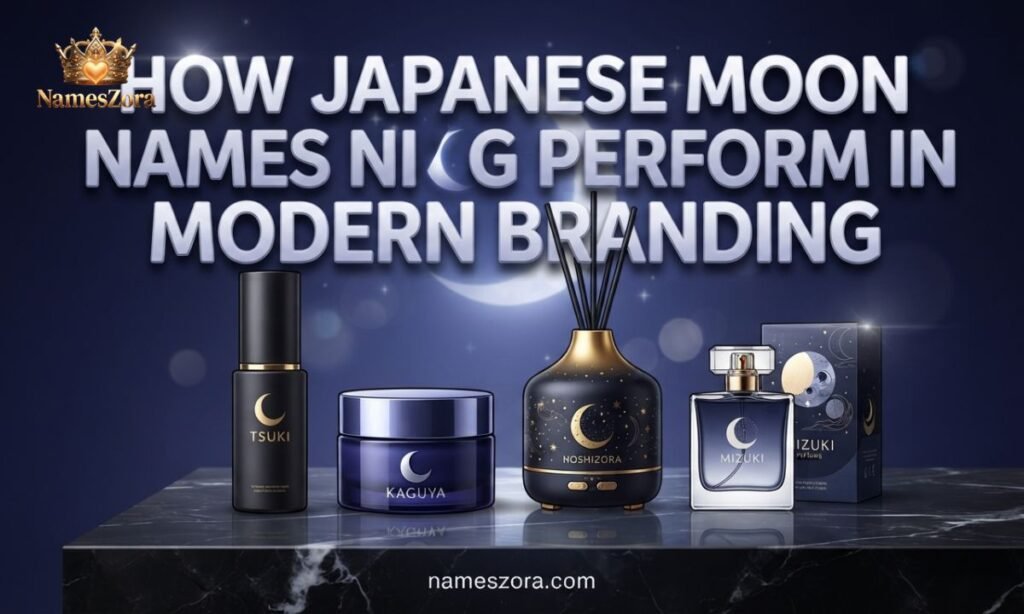
Outside of nurseries, these names are quietly taking over branding too.
They show up often in wellness and meditation spaces, skincare and beauty lines, anime and gaming handles, music aliases, and sustainable fashion labels. Mitsuki and Akizuki in particular strike a rare balance. They feel professional and mysterious at the same time, and that combination is hard to manufacture.
Short, vowel-heavy names also perform better across global markets. They’re simpler to pronounce correctly on the first try, which matters more than most branding guides admit.
Choosing the Right Japanese Moon Name
Three questions cut through most of the noise when you’re narrowing down a final choice.
Does the pronunciation hold up across languages, or does it get mangled the moment someone unfamiliar with Japanese tries to say it? Is the kanji meaning accurate, or has it been stretched to fit a trend? Will the name still feel right on a resume in thirty years, not just in a nursery today?
A few quick examples make this concrete:
- Tsukiko feels personal and poetic, best suited to artistic families.
- Mitsuki adapts easily to corporate and creative settings alike.
- Akizuki carries literary weight that ages well.
- Runa offers the most global flexibility with the least friction.
The right pick isn’t about which name sounds prettiest in isolation. It’s about which one matches the identity you’re actually building.
FAQs
What Japanese name means moon exactly?
Tsuki (月) is the most direct Japanese word and name for moon, used alone or combined with other kanji.
Is Tsuki a boy or girl name?
Tsuki and its variations work as unisex names in Japan, though some combinations lean more feminine or masculine by convention.
What is the prettiest Japanese moon name?
Tsukiko and Mitsuki are widely considered among the most elegant, balancing soft sound with rich kanji meaning.
Do Japanese moon names work well outside Japan?
Yes, especially minimalist options like Luna, Runa, and Mei, which pronounce cleanly in English and other languages.
What does Akatsuki mean?
Akatsuki (暁月) means “dawn moon,” blending daybreak imagery with lunar symbolism in one striking name.
Why are moon names popular in Japanese culture?
The moon represents beauty, impermanence, and quiet strength in Japanese tradition, ideals many families still want to pass on today.
Conclusion
The moon in Japanese culture never competes for attention. It doesn’t need to. It simply shows up, night after night, and lets its light do the work.
That’s the same quality so many families are chasing when they pick one of these names. Not loudness, but staying power. Choosing a Japanese moon name isn’t just selecting a nice sound. It’s choosing a story that’s been told for centuries, one that still has room for your family’s next chapter.

With years of experience creating name-focused web content, NameZora brings together creative, unique, and trending name ideas in one easy-to-explore place. We focus on useful, SEO-friendly, and engaging content that helps you find the perfect name for teams, groups, gamers, businesses, characters, and more. Our goal is simple: make naming easier, faster, and a lot more fun.