
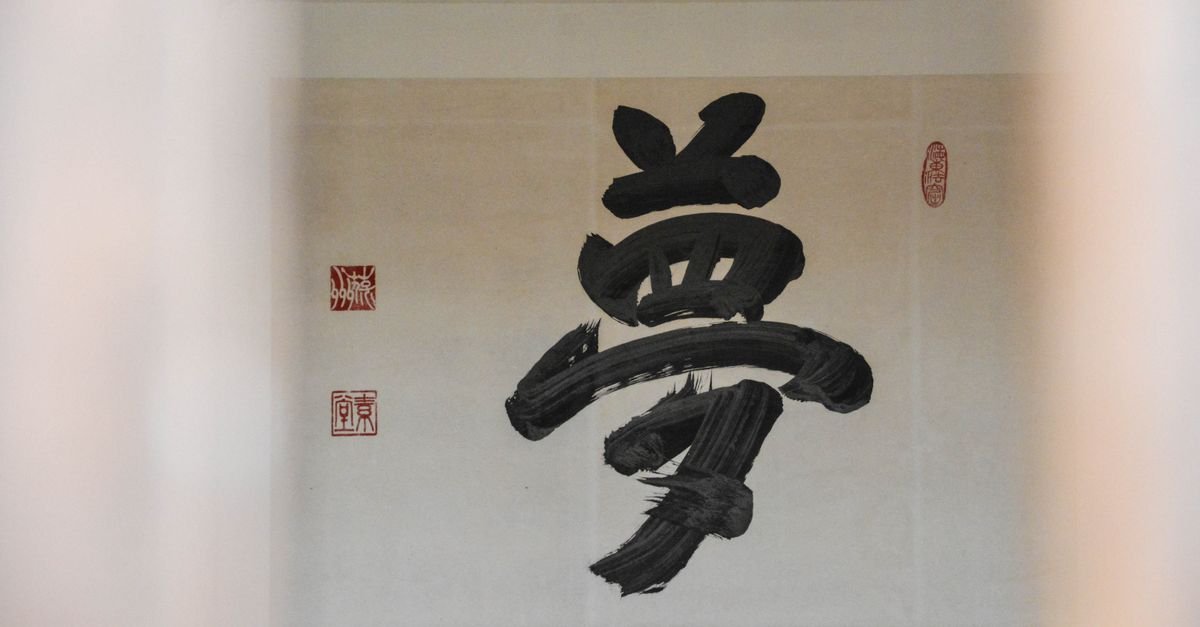
Did you know many Japanese parents choose names that sound like a whisper of night? Dream-inspired names carry a soft, hopeful vibe that feels both modern and timeless.
In the next few minutes, you’ll learn the best Japanese names meaning dream for girls and boys, why they matter culturally, how to write and pronounce them, and practical tips for picking the perfect one for your child.
Japanese Girls Names Meaning Dream
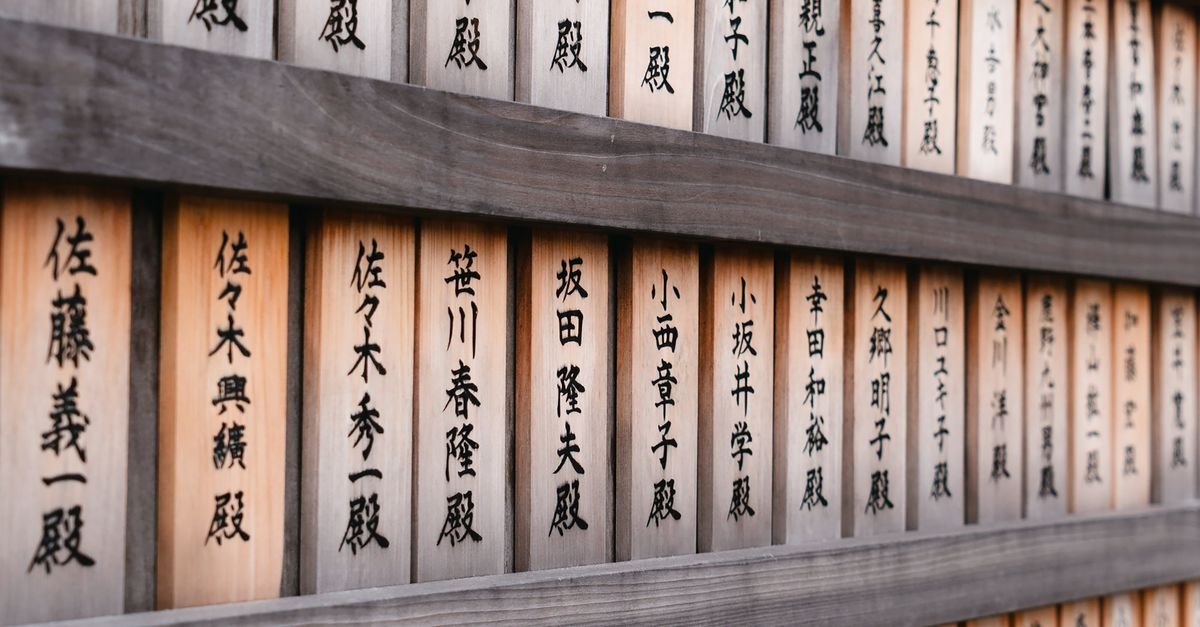
Dreamy names for girls often blend elegance with a touch of mystery. They capture a gentle wish for a bright future.
Popular choices
- Yume (ゆめ) – directly means “dream”; simple and pure.
- Yumiko (ゆみこ) – “child of a dream”; classic feel.
- Yurina (ゆりな) – combines “lily” and a dream-like sound.
- Hoshiyume (ほしゆめ) – “star dream,” ideal for a child meant to shine.
- Mirai (みらい) – while meaning “future,” it evokes dreaming forward.
- Ayame (あやめ) – “iris” paired with a soft vowel, gives a quiet dream quality.
- Yumena (ゆめな) – “dream” plus a gentle ending, feels affectionate.
These names work well in both Japanese and English contexts, making them versatile for families living abroad.
How the meanings differ
| Name | Literal Meaning | Feel |
|---|---|---|
| Yume | Dream | Pure, straightforward |
| Yumiko | Child of a dream | Warm, nurturing |
| Yurina | Lily + dream vibe | Graceful, floral |
| Hoshiyume | Star dream | Bright, aspirational |
| Ayame | Iris | Elegant, calm |
Choosing a name depends on the vibe you want for your daughter, whether you prefer directness or a poetic blend.
Japanese Boys Names Meaning Dream
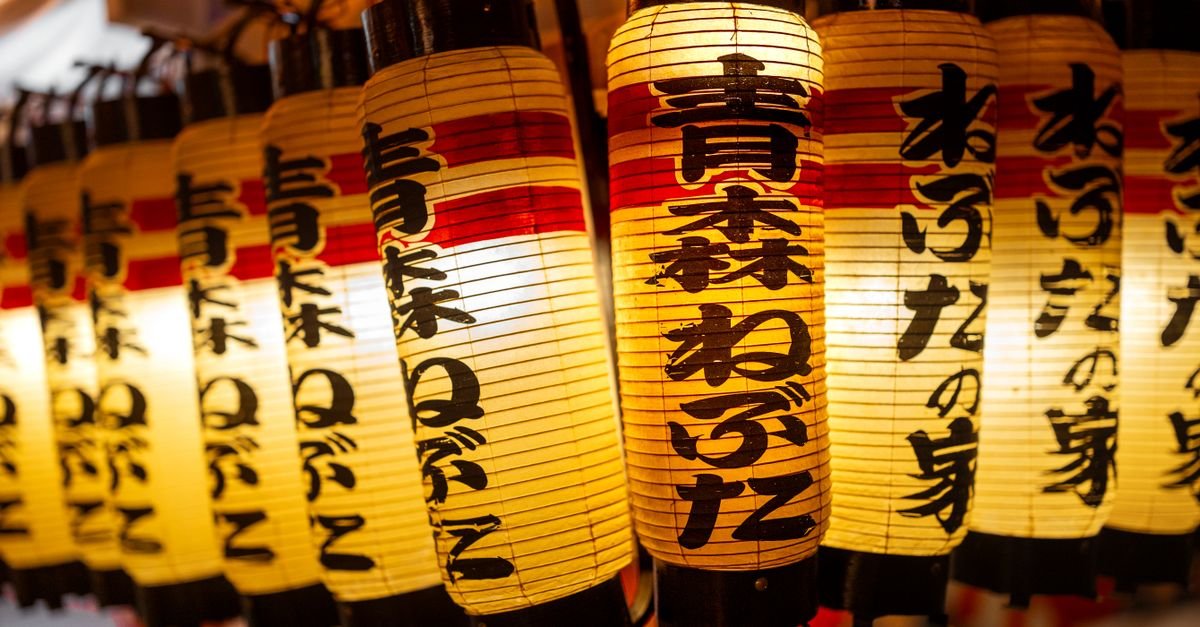
Boy names with dream meanings often carry strength and aspiration. They suggest a future filled with ambition.
Top picks
- Yumeo (ゆめお) – “dream man,” rare and bold.
- Yumetaro (ゆめたろう) – “dream warrior,” combines dream with traditional male suffix.
- Haruto (はると) – while meaning “sunlight,” it is often linked to bright dreams.
- Sora (そら) – “sky,” evokes limitless dreaming.
- Kaito (かいと) – “ocean flyer,” a name that feels like a soaring dream.
- Yumehiko (ゆめひこ) – “dream prince,” adds a regal touch.
- Raito (らいと) – “light” paired with a soft ending, suggests a luminous dream.
These names balance modern flair with cultural roots, perfect for parents seeking a name that stands out.
Why they work
Each name pairs a dream-related concept with a strong, masculine element, creating a name that feels both hopeful and grounded.
Cultural Significance of Dream Names in Japan
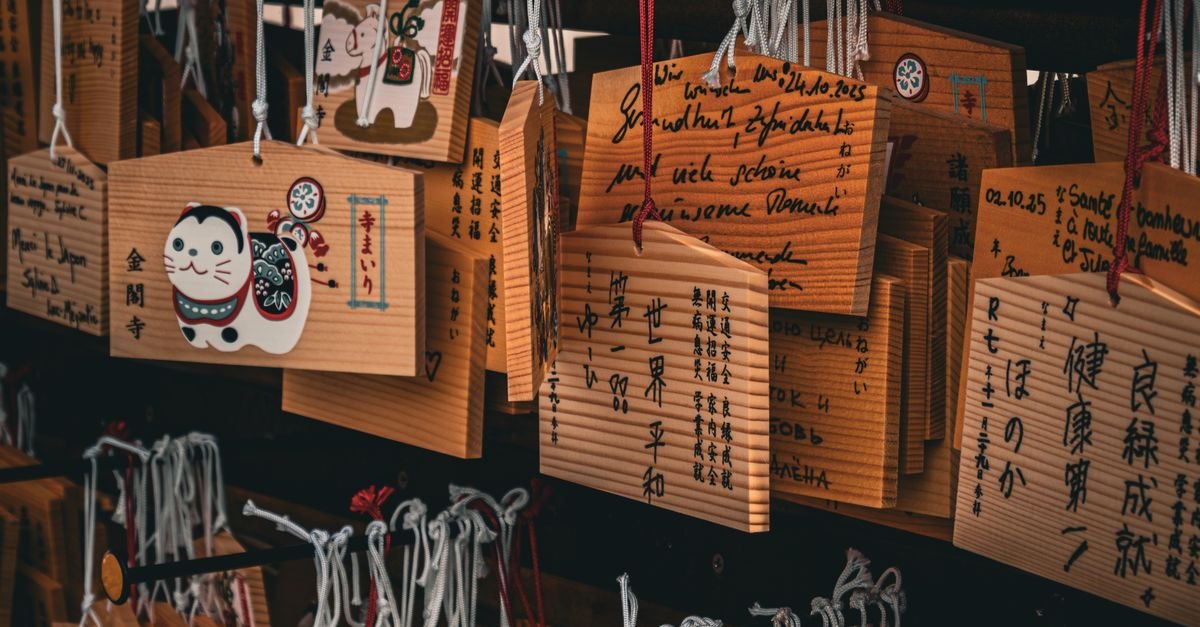
Dream names reflect a deep respect for imagination. Japanese culture values both reality and the unseen.
Historically, parents consulted poetry and nature when naming children. A name like Yume connects the child to the world of stories and aspirations.
In modern Japan, dream-themed names have surged alongside a broader trend of choosing names that convey personal wishes rather than strict family lineage.
Many families view the name as a quiet prayer. They hope the child will follow the path of the dream, not just chase it.
How to Write and Pronounce Dream Names Correctly
Getting the kanji right ensures the name carries its true meaning. Misreading can change the vibe entirely.
Writing tips
- Use hiragana for simplicity (ゆめ, ゆみこ).
- Choose kanji that match the intended nuance (夢 for “dream”).
- Check stroke order; it affects calligraphic beauty.
- Consider mixed script; combine kanji and kana for a modern look.
Pronunciation guide
Japanese syllables are crisp. Say “Yoo-meh” for Yume, “Yoo-mee-ko” for Yumiko. Keep the vowels short and even.
Practice with a native speaker or language app to avoid accidental accents.
Modern vs Traditional Dream Names Trends

Today’s parents blend old and new, creating fresh hybrids. Traditional names stay popular, but new combos emerge each year.
Traditional: Yumiko, Yumeo, Haruto, these have been used for decades.
Modern: Yumeha (dream + leaf), Sorae (sky + blessing), Kaito‑dream variations, these show creative flair.
Trend snapshot
| Era | Common Dream Names | Style |
|---|---|---|
| 1990s | Yume, Yumiko | Classic |
| 2010s | Yumeha, Sora | Modern blend |
| 2020s | Kaito, Yumeo | Hybrid |
Notice the shift from pure “dream” to names that pair dream imagery with nature or strength.
Tips for Choosing a Dream Name for Your Child
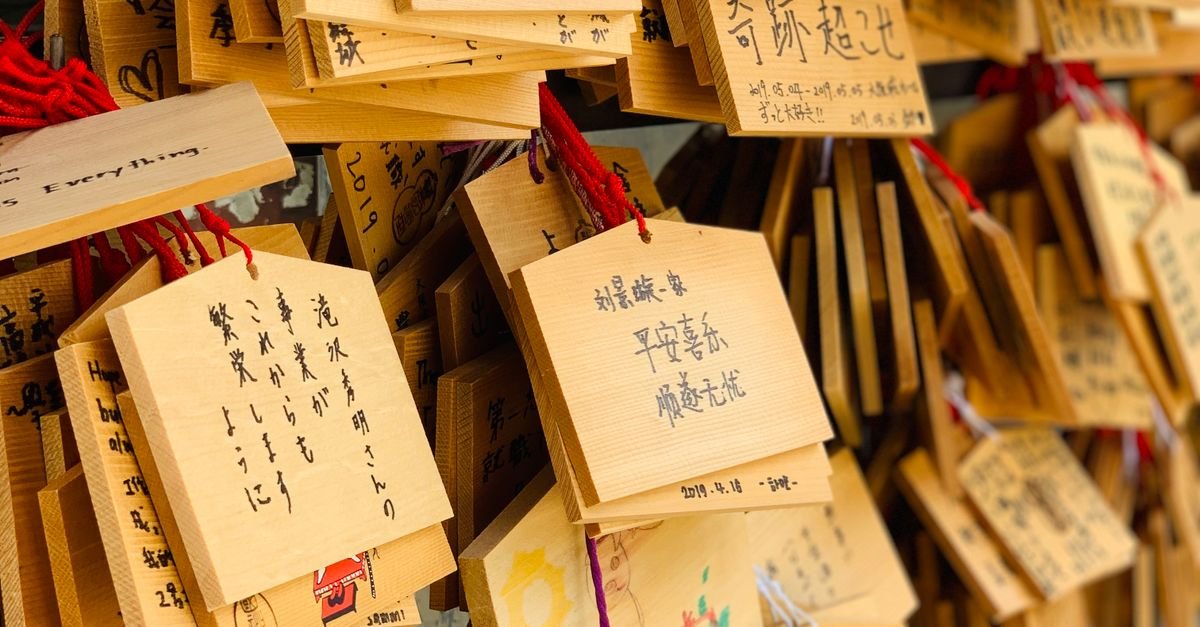
Pick a name that feels right for you, not just for trends. Your connection matters most.
- Say the name aloud with your last name; ensure flow.
- Check kanji meanings; avoid unwanted connotations.
- Consider nicknames, will they be pleasant?
- Test the name with friends; gauge reactions.
- Think about future contexts, school, work, international travel.
When you feel a name resonates, trust that instinct.
Famous Characters and Celebrities with Dream Names
Even pop culture loves dream-inspired names. They help keep the trend alive.
Yume from the anime “Yume no Crayon”, a heroine who follows her imagination.
Actor Kaito Nakamura, known for roles that explore aspirations, brings a modern edge to the name.
Musician Yumiko Shimizu released a song titled “Dream Light” that boosted the name’s popularity in 2021.
These figures show that a dream name can be both memorable and meaningful.
Voice Search FAQs
What does the Japanese name Yume mean?
It directly translates to “dream”.
Is Yumiko a common name in Japan?
Yes, it’s a classic, still used today.
How do you write Yume in kanji?
The kanji is 夢.
Can dream names be used for boys?
Absolutely, names like Yumeo and Yumetaro work well.
Are dream names trendy right now?
They are gaining popularity alongside nature-themed names.
Do dream names have any negative meanings?
No, they convey hope and imagination.
Choosing a Dream Name for Different Life Stages
Parents often think about how a name will grow with a child. A name that feels cute for a toddler should also feel professional for an adult.
Yume stays gentle for a child but reads as artistic for an artist. Yumiko sounds mature enough for a business setting.
For boys, Yumeo sounds playful in youth and becomes a confident identifier in a career.
Check how the name pairs with common surnames. Try “Yume Tanaka” or “Haruto Suzuki” to see the rhythm.
Regional Variations in Dream Names
Japan has many dialects. Some regions prefer kanji variants. In Kansai, parents might write Yume as 夢子 for a softer feel.
In Okinawa, the name Sora may be written as 空, but locals add a phonetic guide to keep pronunciation clear.
These subtle differences add local flavor while keeping the core meaning.
Conclusion
The biggest takeaway? Japanese names meaning dream blend cultural depth with personal hope, offering a timeless choice for any child.
Take a moment to say the name out loud, imagine its future, and let that feeling guide your decision.
We’ve spent years researching Japanese naming customs, ensuring every suggestion respects tradition while feeling fresh. Trust our expertise as you choose a name that will inspire your child’s dreams.

With years of experience creating name-focused web content, NameZora brings together creative, unique, and trending name ideas in one easy-to-explore place. We focus on useful, SEO-friendly, and engaging content that helps you find the perfect name for teams, groups, gamers, businesses, characters, and more. Our goal is simple: make naming easier, faster, and a lot more fun.